- Digital Gone Easy's Newsletter
- Posts
- Australia-India Uranium Deal: Why This Landmark Agreement Matters
Australia-India Uranium Deal: Why This Landmark Agreement Matters
The landmark Australia-India Uranium Deal supports India's clean energy ambitions, strengthens long-term energy security, and deepens strategic cooperation between the two countries.

Digital Gone Easy
July 11, 2026

The Australia-India Uranium Deal enables Australian uranium exports for India's civilian nuclear programme, strengthening clean energy, energy security, and strategic cooperation between the two nations.
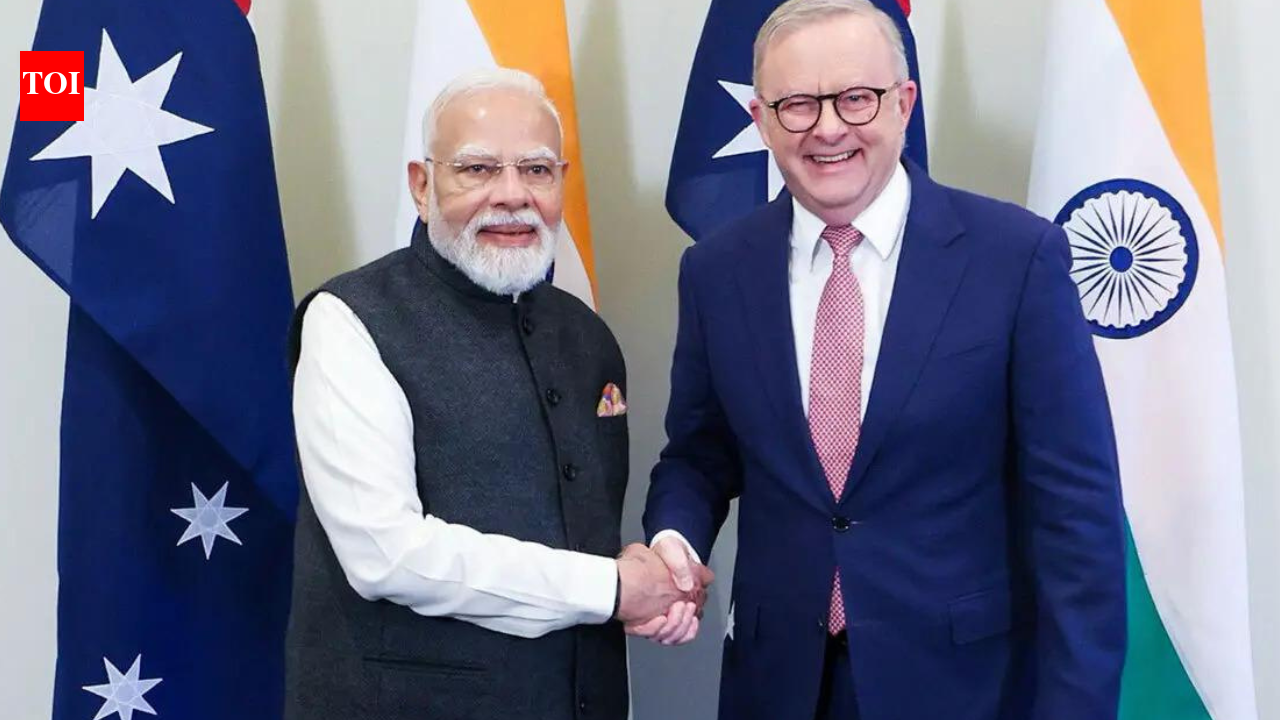
Uranium is a naturally occurring mineral used as fuel in nuclear power plants to generate electricity. Nuclear power is considered a low-carbon source of energy because it produces electricity without burning fossil fuels like coal or oil. During Prime Minister Narendra Modi’s visit to Australia, India and Australia signed the Australia-India Uranium Deal, allowing Australia to supply uranium for India’s peaceful civilian nuclear programme. The deal is based on the civil nuclear cooperation agreement that the two countries signed in 2014.
Key Highlights
Australia will begin supplying uranium to India’s civilian nuclear power plants under international safeguards.
Uranium can only be used for peaceful purposes under the oversight of the International Atomic Energy Agency (IAEA), the United Nations body that monitors the safe and peaceful use of nuclear technology.
Australia holds around 28% of the world’s known uranium reserves, making it one of the world’s largest potential suppliers.
The agreement supports India’s goal of achieving 100 gigawatts (GW) of nuclear power capacity by 2047.
India and Australia will expand cooperation in critical minerals, renewable energy, green hydrogen, defence, maritime security, and resilient supply chains.
Australia will diversify its uranium exports beyond China, while India strengthens its long-term energy security.
Bilateral trade between the two countries reached approximately A$54.4 billion during 2024–25.
Why It Matters
The agreement gives India a reliable source of nuclear fuel to support rising electricity demand while reducing carbon emissions through clean nuclear power.
Beyond energy security, the deal strengthens the India-Australia strategic partnership. It expands cooperation across defence, technology, critical minerals, trade, and economic security throughout the Indo-Pacific region.
Clean Energy and India’s Nuclear Future
India’s demand for electricity continues to grow rapidly.
Reliable uranium supplies from Australia will help support India’s expanding civilian nuclear programme. They will also contribute to India’s long-term clean energy transition and reduce dependence on fossil fuels.
Beyond Uranium: A Broader Strategic Partnership
The agreement also strengthens cooperation in:
Critical Minerals
Renewable Energy
Green Hydrogen
Defence
Maritime Security
Supply Chain Resilience
Bilateral Trade
Together, these initiatives reinforce the long-term strategic relationship between India and Australia.
Marketing Angle: How the Australia-India Uranium Deal Builds Global Awareness
Target Audience: Marketing Professionals, Communications Teams, PR Professionals, Marketing Students
Strategy: The announcement presents clean energy, economic cooperation, and strategic partnership as a single value proposition for multiple stakeholders.
Execution: The agreement was announced during a high-profile diplomatic visit. This generated global media coverage and increased visibility among governments, investors, businesses, and international partners.
Impact: The communication strengthens awareness of the India-Australia partnership while reinforcing confidence in long-term cooperation and clean energy initiatives.
Branding Angle: How the Australia-India Uranium Deal Builds International Trust
Target Audience: Brand Strategists, Nation Branding Professionals, Corporate Communications Teams
Strategy: The agreement strengthens both countries’ reputations by highlighting peaceful nuclear cooperation under internationally accepted safeguards.
Execution: Consistent messaging emphasizes responsible energy development, compliance with International Atomic Energy Agency (IAEA) safeguards, and long-term strategic collaboration.
Impact: The partnership strengthens India’s and Australia’s global credibility as trusted and responsible partners in clean energy and international cooperation.
Business Angle: How the Australia-India Uranium Deal Strengthens Long-Term Strategic Growth
Target Audience: Business Owners, Startup Founders, Strategy Consultants, Business Leaders, Corporate Executives
Strategy: The agreement expands economic cooperation by combining energy security with trade, critical minerals, renewable energy, and long-term strategic partnerships.
Execution: Australia diversifies its uranium export markets beyond China, while India secures a reliable source of nuclear fuel. This creates mutual economic and strategic value.
Impact: The partnership strengthens bilateral trade, reduces market dependency, and creates long-term growth opportunities for businesses across multiple sectors.
Finance Angle: How the Australia-India Uranium Deal Creates Long-Term Economic Value
Target Audience: Finance Professionals, Bankers, Investors, Financial Analysts, Policy Advisors
Strategy: The agreement improves economic resilience by supporting stable uranium exports and strengthening India’s long-term energy security.
Execution: Reliable uranium supplies help India expand its civilian nuclear power programme, while Australia benefits from increased export revenues through long-term commercial agreements.
Impact: The partnership supports sustainable economic growth, strengthens energy investments, and creates long-term financial value for both countries.
Humanitarian / Sustainability Angle: How the Australia-India Uranium Deal Supports Clean Energy and Sustainable Development
Target Audience: Sustainability Professionals, Environmental, Social and Governance (ESG) Leaders, Environmental Policy Experts, Development Organizations
Strategy: The agreement supports sustainable development by expanding access to low-carbon electricity while meeting growing energy demand.
Execution: Reliable uranium supplies enable greater nuclear power generation. This helps reduce dependence on fossil fuels and supports India’s long-term clean energy transition.
Impact: The partnership contributes to lower carbon emissions, improved energy security, and sustainable economic development that benefits future generations.
Geopolitics / International Relations Angle: How the Australia-India Uranium Deal Strengthens the Indo-Pacific Partnership
Target Audience: Foreign Policy Professionals, Government Officials, Defence Analysts, International Relations Students
Strategy: The agreement strengthens strategic cooperation by aligning energy security with broader geopolitical and economic objectives in the Indo-Pacific region.
Execution: Alongside uranium cooperation, both countries expanded collaboration in defence, critical minerals, maritime security, renewable energy, and resilient supply chains.
Impact: The partnership deepens India-Australia relations, strengthens regional stability, and reinforces both countries’ strategic role in the evolving Indo-Pacific landscape.
Conclusion
The Australia-India Uranium Deal marks an important step in strengthening clean energy cooperation and long-term strategic ties between the two countries. It supports India’s energy goals while reinforcing a trusted bilateral partnership.
As India expands its civilian nuclear programme, the Australia-India Uranium Deal shows how energy security, economic cooperation, and responsible international collaboration can move forward together.
Frequently Asked Questions
Q1. What is the Australia-India Uranium Deal?
A. The Australia-India Uranium Deal allows Australia to supply uranium for India’s civilian nuclear power programme. The uranium can only be used for peaceful purposes under international safety measures.
Q2. Why is the Australia-India Uranium Deal important for India?
A. The agreement helps India secure a reliable supply of nuclear fuel to support its growing electricity needs. It also contributes to the country’s long-term clean energy and energy security goals.
Q3. How does Australia benefit from the uranium deal with India?
A. The deal expands Australia’s uranium export opportunities and reduces dependence on a single export market. It also strengthens economic and strategic ties with India.
Q4. Can the exported uranium be used for military purposes?
A. No. The uranium supplied under the agreement is restricted to civilian nuclear use and is monitored under International Atomic Energy Agency (IAEA) safeguards.
Q5. What other areas of cooperation are included in the agreement?
A. Along with uranium exports, India and Australia are expanding cooperation in critical minerals, renewable energy, defence, maritime security, and resilient supply chains.
Follow Digital Gone Easy
If you enjoy concise, research-backed insights on business, technology, energy, AI, and global affairs, follow Digital Gone Easy on Beehiiv for more in-depth analysis and explainers.
Reply