- Digital Gone Easy's Newsletter
- Posts
- If You Can Use WhatsApp, You Can Understand AI
If You Can Use WhatsApp, You Can Understand AI
A simple guide for marketers and business owners who think AI is too complicated.

Digital Gone Easy
December 10, 2025
Most people hear the word AI and think it is only for tech people.
But if you can order chai on Zomato, track your Blinkit delivery, or watch movie suggestions on Netflix then you are already using AI every day.
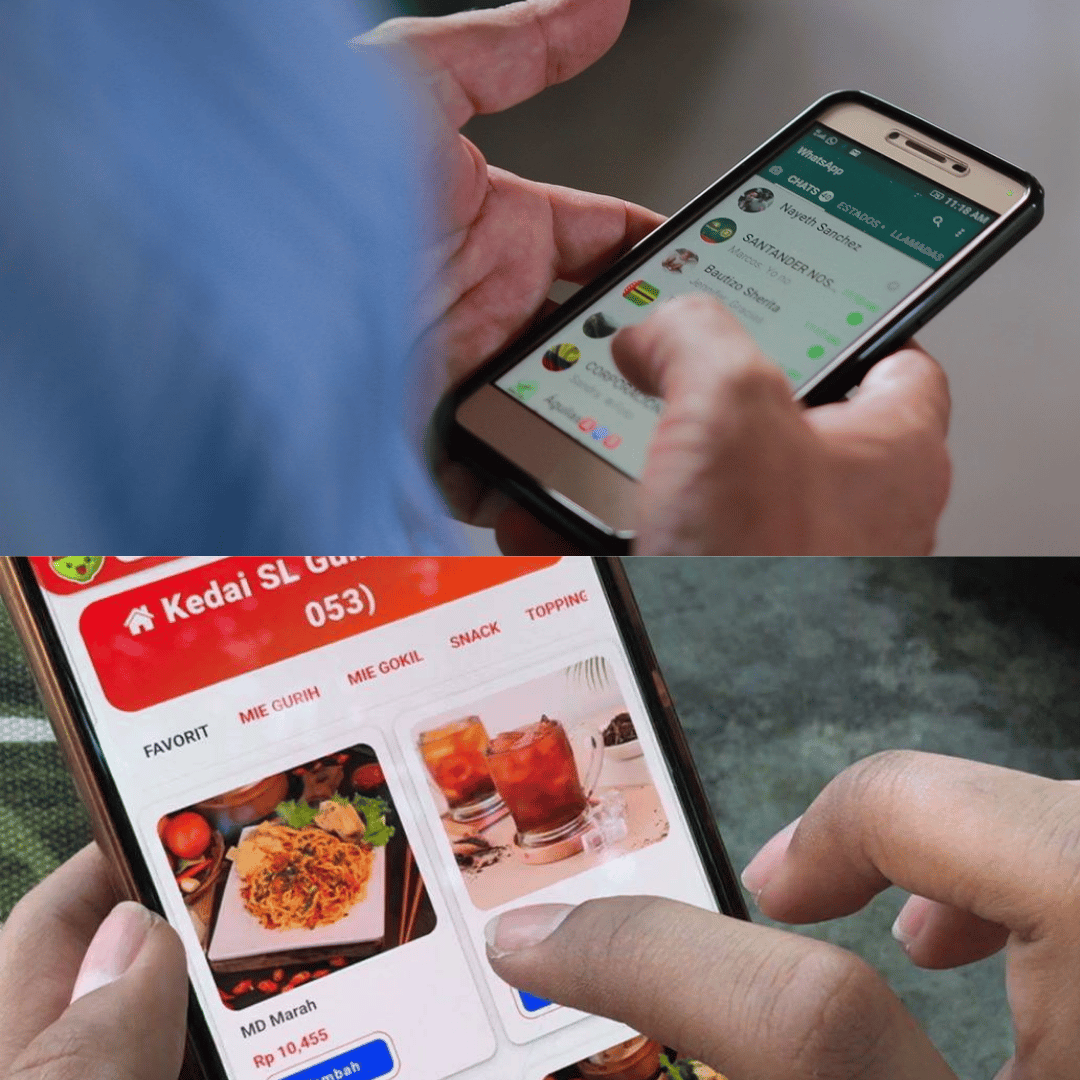
AI means Artificial Intelligence.
It is not coding or robots.
It is just a smart system that learns from data and helps you make better business decisions.
Why Everyone Is Talking About AI
Every business today collects data.
Who clicked your ad, who ignored it, who came back later.
But there is too much data and not enough time.
You cannot study everything manually.
That is where AI helps.
It reads patterns, learns behaviour, and gives answers quickly.
So instead of guessing what works, you actually know what works.
AI vs ML
Term | Simple Meaning | Real Example |
AI (Artificial Intelligence) | Computer that can think and make small decisions. | Netflix recommending your next movie. |
ML (Machine Learning) | The part of AI that learns from data automatically. | Swiggy showing dosa again because you ordered it twice last week. |
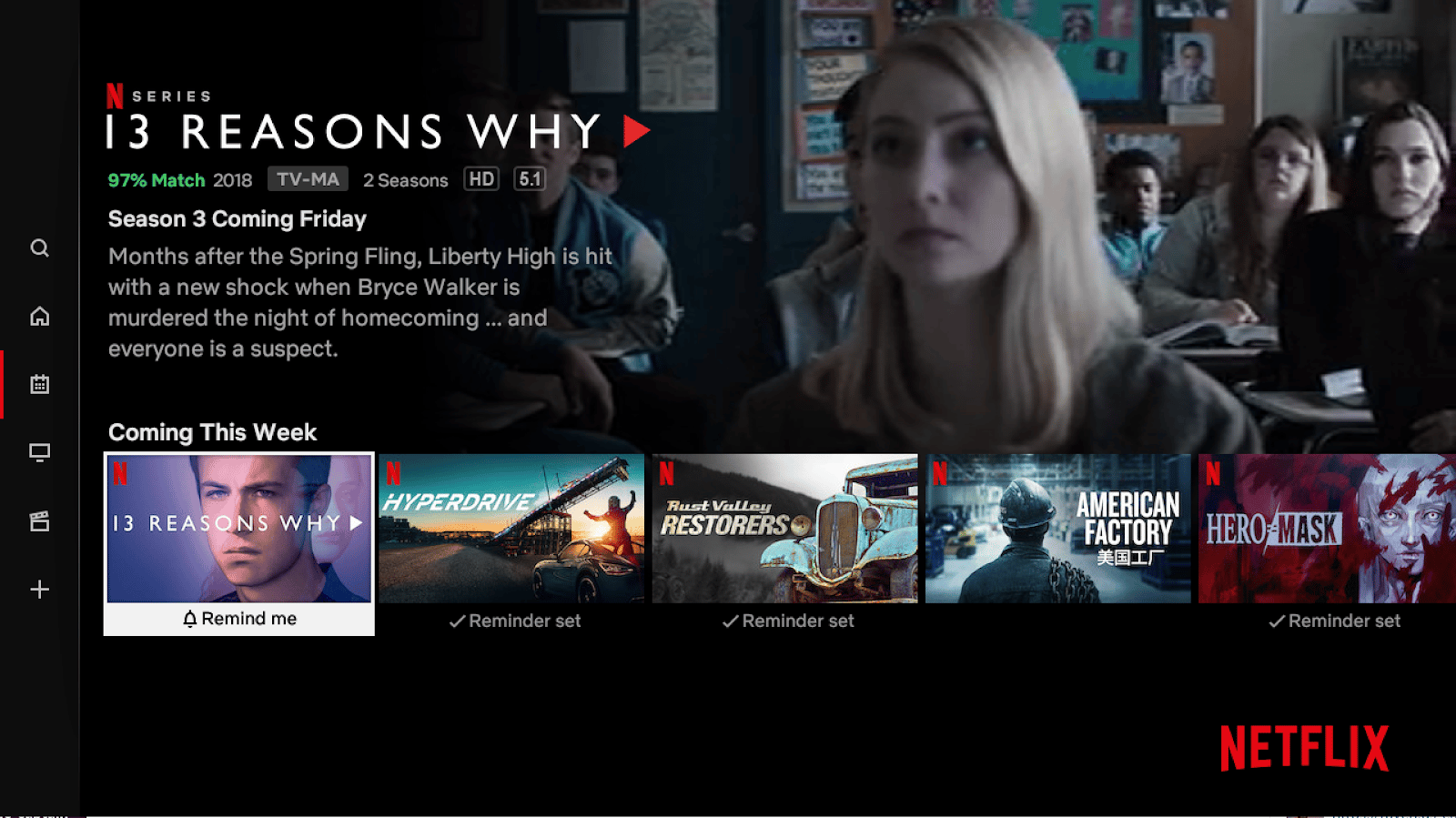
You can think of it like this:
AI is the brain.
ML is the learning part.
Four Types of AI
Type | Easy Meaning | Real Brand Example |
Descriptive AI | Tells what happened. | Zomato shows which ad got the most clicks last week. |
Predictive AI | Tells what might happen next. | Nykaa shows "You may also like" products based on your past orders. |
Prescriptive AI | Suggests what to do next. | Swiggy offers Rs 50 off on slow weekdays to increase orders. |
Generative AI | Creates something new. | Blinkit makes Diwali ad captions using AI. |
How AI Learns
Think of AI like a new intern in your office.
You show them what worked and what failed.
After some time, they start guessing correctly on their own.
That is called machine learning.
The more data they get, the smarter they become.
How Marketers Use AI Every Day
Stage | What AI Does | Example |
Finding New Customers | Finds people likely to buy. | Meta’s Advantage+ automatically shows ads to people interested in similar products. |
Keeping Users Engaged | Shows personalised suggestions. | Nykaa recommends items similar to your last purchase. |
Bringing Back Old Users | Sends reminders at the right time. | Meesho messages users who left items in their cart. |
Boosting Sales | Gives special offers to the right users. | Hotstar gives Rs 49 trial to new users and premium offers to binge-watchers. |
Tracking Performance | Checks which campaigns perform better. | CRED uses AI to find which ads bring more conversions. |
AI for Personalisation
Everyone likes a personal touch.
AI helps you show the right message to the right person at the right time.
Spotify suggests playlists based on your mood.
Netflix changes posters depending on what you usually watch.
Starbucks recommends drinks depending on weather and time.
Even chatbots are getting smarter.
If you sound upset, they change tone or connect you to a human.
Generative AI: The Creative Helper
Generative AI creates things for you.
It can write, design, or even make videos.
Some useful tools are ChatGPT, Canva Magic Write, and Midjourney.
Small Indian brands use Canva AI to make social media posts quickly.
Zomato uses AI to create funny ad copies within hours of a trending topic.
Automation in Marketing
Earlier, marketing emails went out on fixed days.
Now, AI sends emails when people are actually active.
Example: Swiggy delays discount messages for loyal customers because it knows they will order anyway.
Smart, right?
How AI Tracks Results
AI helps you understand what is working and what is not.
It tells you which campaign brought sales, which users are most likely to buy again, and which ads need more budget.
That is how brands like CRED and Boat use AI to plan their ads better.
Privacy and Trust
AI works safely.
It uses two types of data:
First-party data: Information collected directly from your app or website.
Zero-party data: Information that users willingly share, like their preferences.
For example, instead of saying “Ravi bought shoes,” AI understands it as “People in Delhi buy sneakers on weekends.”
It keeps things private while still helping you learn.
Keep the Human Touch
AI is smart but not emotional.
That is where humans make the difference.
Use AI to save time, not to replace people.
Always check AI’s work before you post.
Stay honest about when you use AI.
Because AI can tell what people click,
but only you can understand why they care.
The Future of AI in Marketing
Multimodal AI: Search using photo or voice. Example: “Show me this kurta in green.”
Emotion-Aware AI: Chatbots that can sense mood.
Cross-Device Experience: One connected journey across mobile, TV, and smartwatch.
Agentic AI: AI that can plan and run campaigns by itself.
Voice Commerce: “Alexa, order red heels from Myntra.”
So,
Marketing is no longer about working harder.
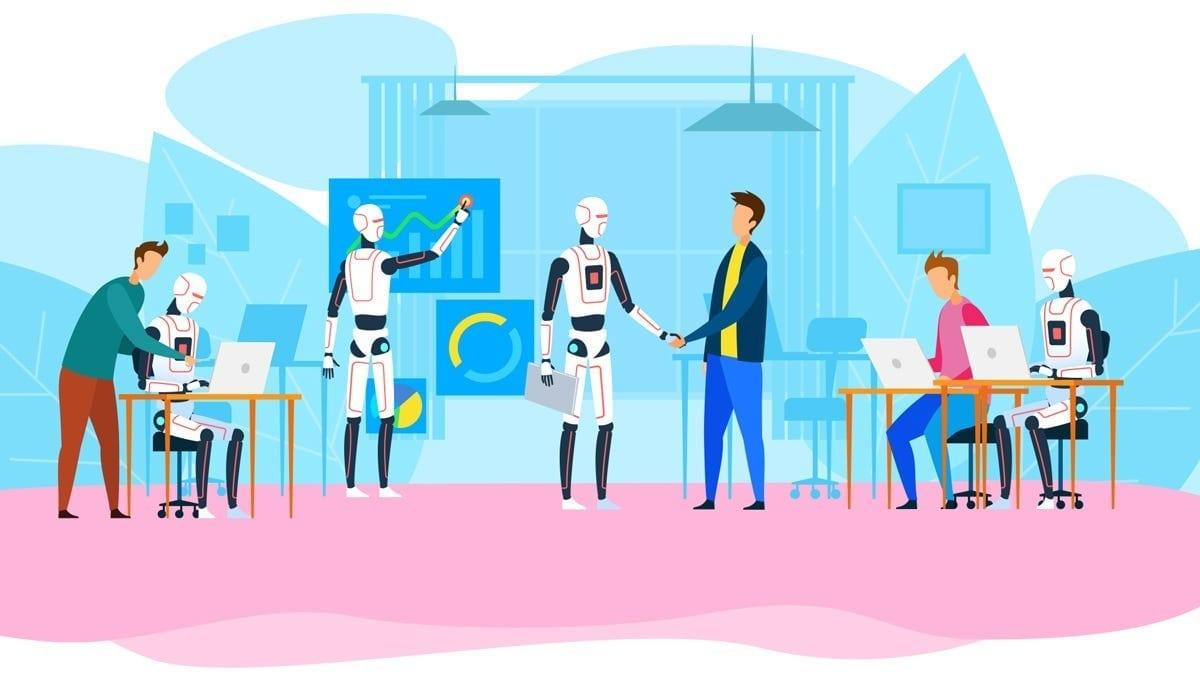
It is about working smarter with AI as your partner.
Reply