- Digital Gone Easy's Newsletter
- Posts
- Minimalist Grew Big by Not Acting Like a “Typical” Beauty Brand
Minimalist Grew Big by Not Acting Like a “Typical” Beauty Brand

Digital Gone Easy
December 23, 2025
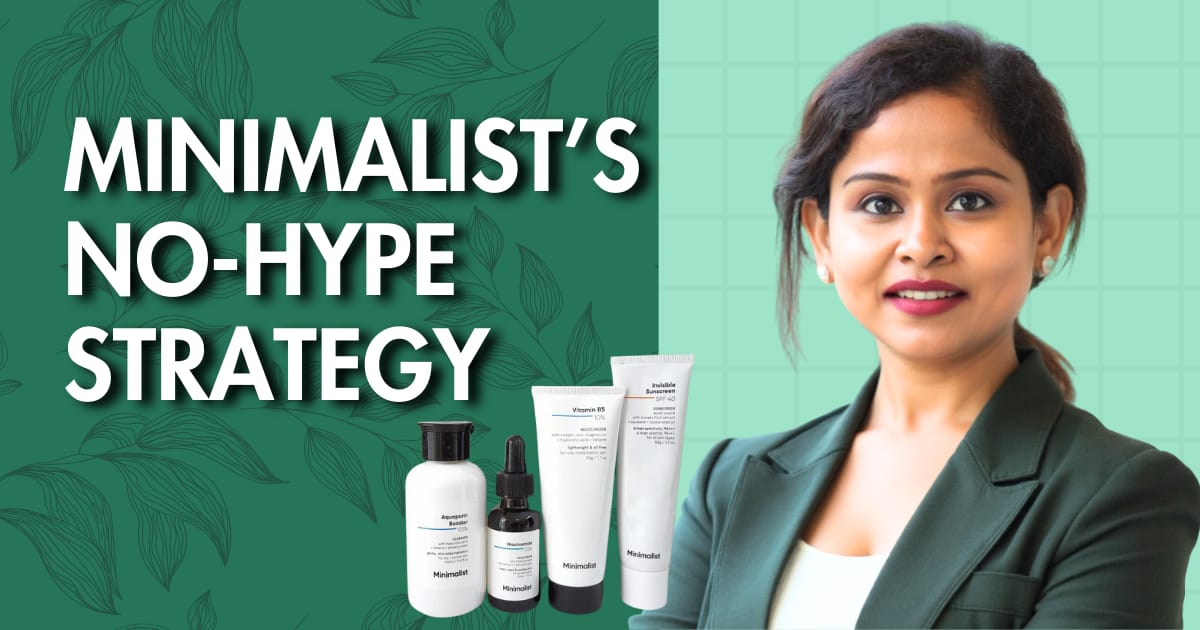
If you walk into any beauty store today or scroll Instagram for 5 minutes, you’ll notice one thing.
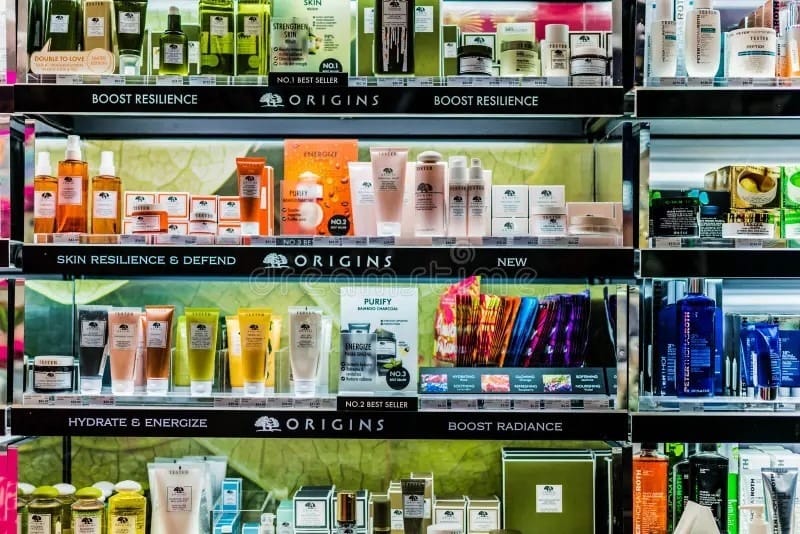
Every skincare brand is shouting.
Bright colours.
Celebrity faces.
“Glow in 7 days” promises.
And then there’s Minimalist.
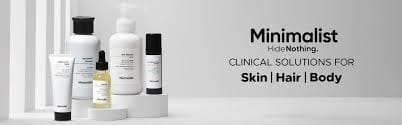
Plain black-and-white bottles.
Ingredient names on the front.
No drama. No fluff.
At first glance, it almost looks boring.
But that “boring” brand quietly crossed ₹350+ crore in revenue.
So what did they do differently
1. They Sold Science, Not Dreams
Most skincare brands sell emotions.
“Fair skin”, “glass glow”, “miracle results”.
Minimalist sold facts.
Ingredients. Percentages. What it does. What it doesn’t.
Marketing lesson:
This is called value-based positioning which means you tell customers why your product works, not just how good it feels.
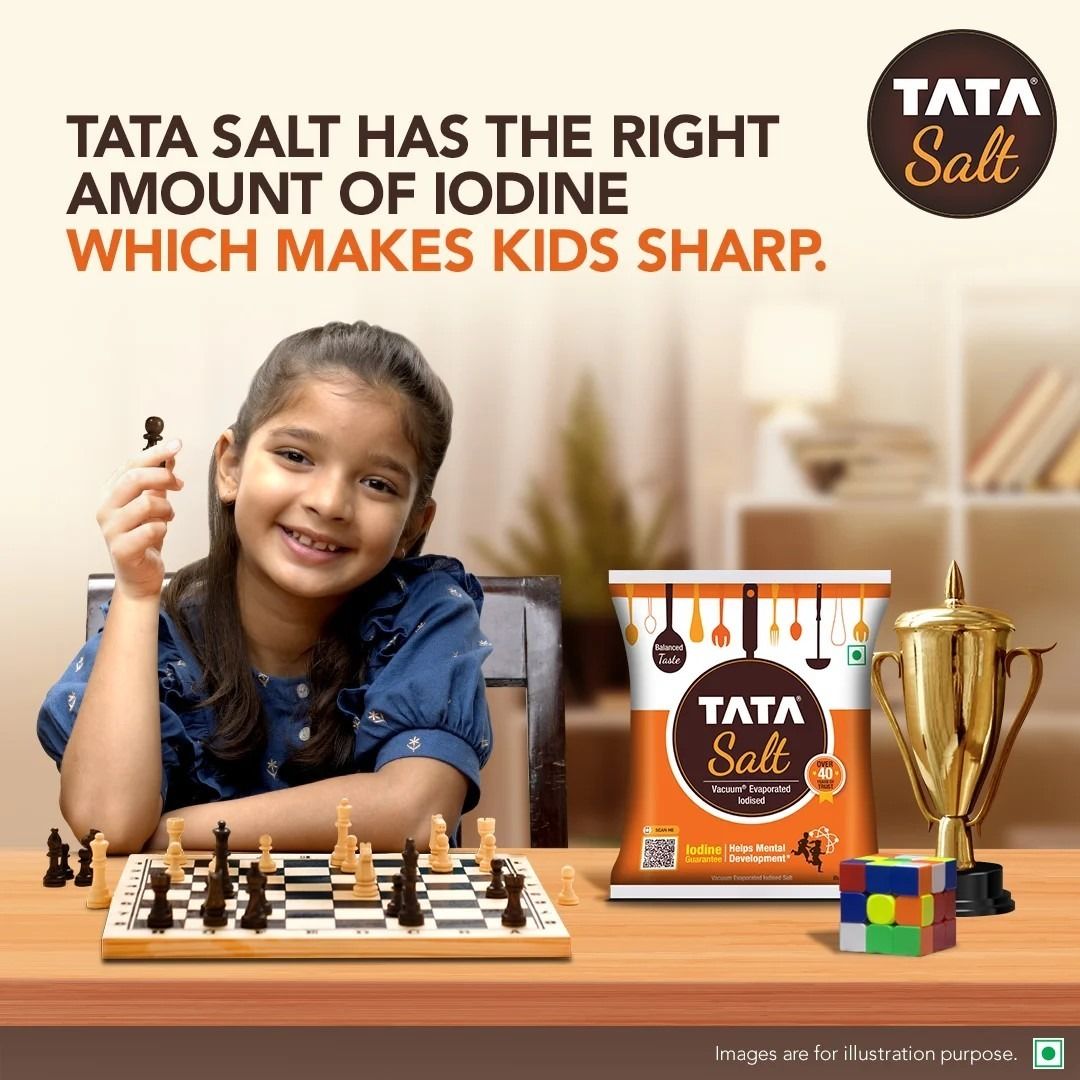
Example: Like Tata Salt saying “iodine for health” instead of “tasty namak”.
2. Simple Packaging Became Their Brand Signal
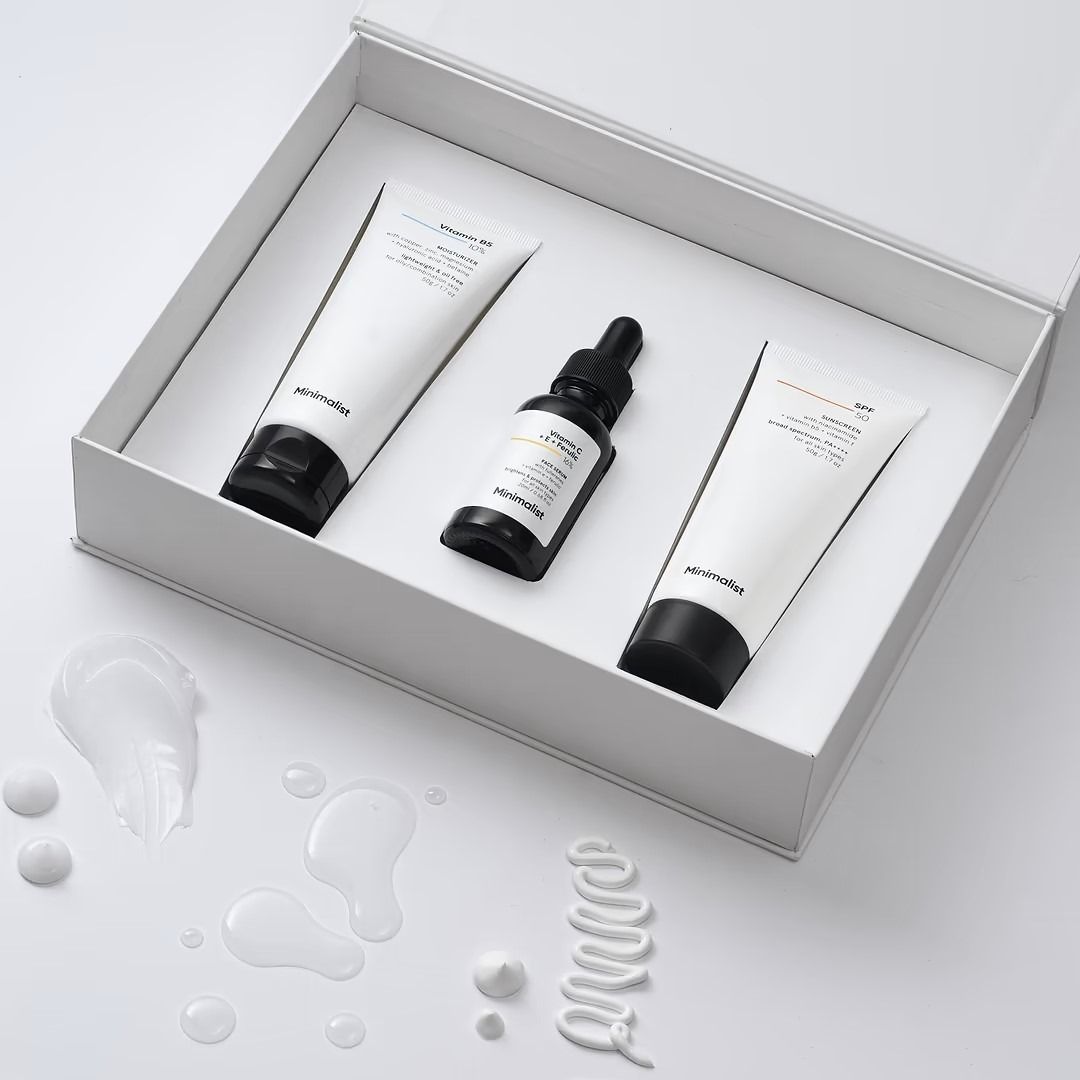
While others spent money on fancy bottles, Minimalist kept it clean and clinical.
In a market full of over-design, simplicity felt honest.
People thought: “Agar packaging pe paisa nahi uda rahe, shayad product pe dhyaan diya hai.”
Marketing lesson:
This is brand authenticitywhich means when your brand looks and behaves consistently.
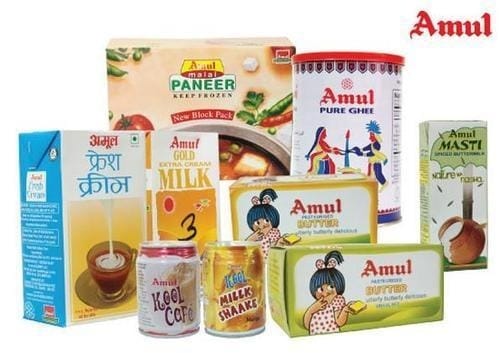
Example: Amul’s simple packaging but strong trust.
3. Digital-First, Direct to Customer
Minimalist didn’t depend heavily on offline stores at the start.
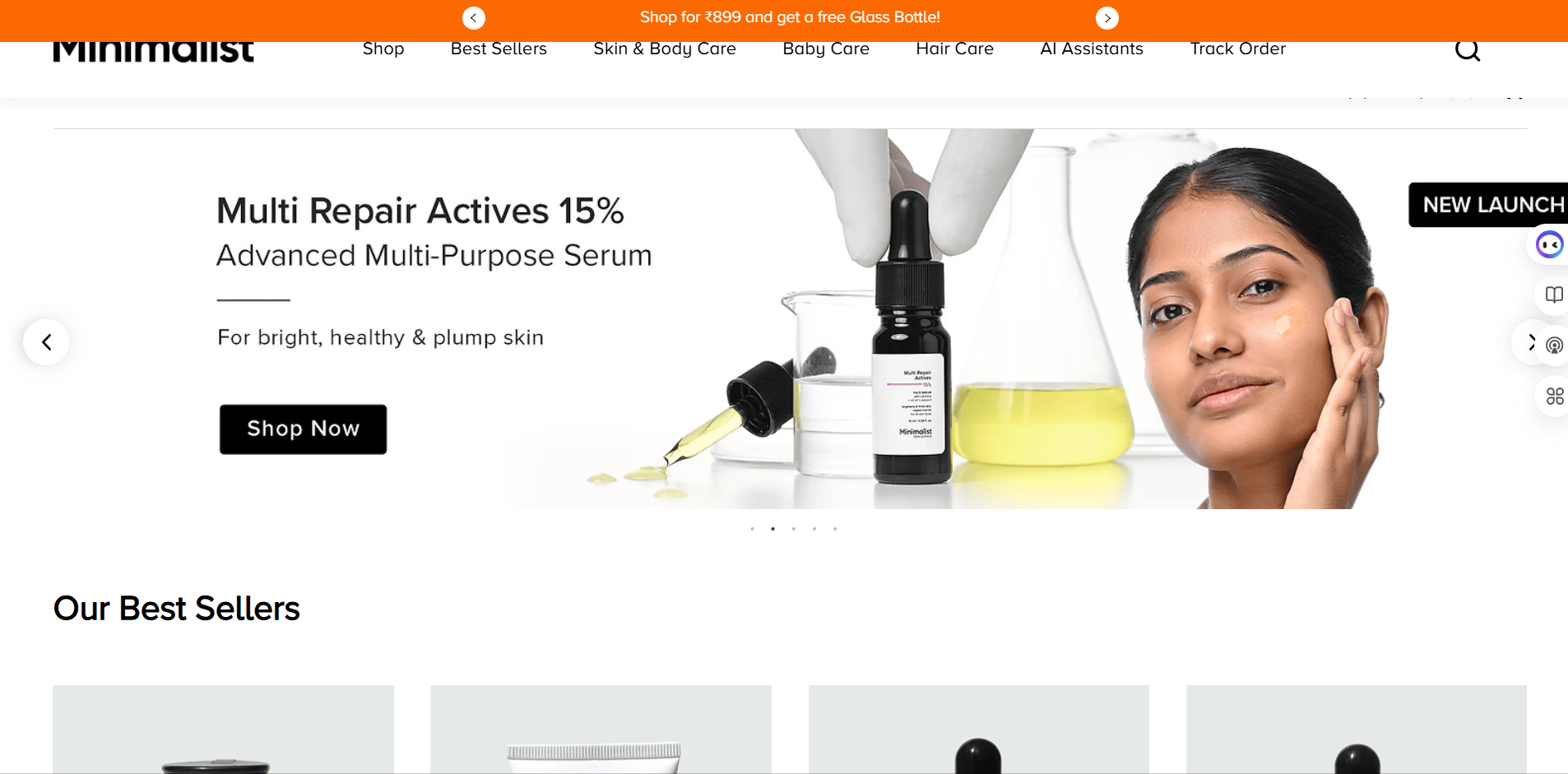
They went D2C (Direct-to-Consumer).
D2C means:
Selling directly through your website instead of middlemen.
This helped them:
Talk directly to customers
Read reviews
Improve products fast
4. Pricing That Felt “Worth It”
They didn’t price like luxury brands.
They didn’t price like cheap local brands either.
Just reasonable pricing for good quality.
Marketing lesson:
This is penetration pricing that means keeping prices accessible to attract mass buyers.
Example: Jio launching with affordable plans to enter the market fast.
5. Repeat Customers Did the Heavy Lifting
Once people saw results, they came back.
Again and again.
Minimalist didn’t need celebrities because customers themselves became proof.
Customer Lifetime Value (CLV) explained simply:
How much money one customer gives you over time, not just once.
Example: One Nykaa shopper buying every 2–3 months is more valuable than a one-time buyer.
What Marketers Should Learn From This
Minimalist’s growth wasn’t magic.
It was systematic marketing.
For marketers and founders, this means:
Don’t hide behind ads if your product story is weak
Build trust before scale
Let clarity beat creativity sometimes
Focus on repeat buyers, not just new traffic
Use case for clients:
This approach works not just for skincare, but for:
Ed-tech, nutrition brands, SaaS tools, even service businesses.
Because in India,
People don’t always buy the loudest brand.
They buy the one that makes sense.
And Minimalist understood that early.
Reply